
Pastel-colored lakeside villages at Lake Como — Varenna, Bellagio and Menaggio — are called the “pearls” of Como.
You probably know Northwest Italy for the Alps, Lake Como and Milan — and for good reason. The Italian Alps are stunning year-round, Lake Como is a classic must-see in Italy and Milan is one of the most important European metropolises. But there’s so much more to the alpine “shoulder” of Italy bordering France and Switzerland.
There are deep waters to kayak and shipwrecks to explore in Italy’s lake district. Ancient canals to cycle and da Vinci to see in Milan. Castles to tour in Aosta. Wine and truffles to savour in Piedmont, and palaces to wander in Turin. Whether you’re looking for outdoor activities or cultural experiences, you’ll find endless options of things to do in Northwest Italy.
Piedmont
One of Italy’s most underrated regions, northwest Italy’s “shoulder” has some of the peninsula’s best wine, most prized delicacies, opportunities for outdoor adventure, and relics of the kings of Italy. The regional capital, Turin, was the seat of Italy’s royal family and the origin of Italian unification. Facing the Adriatic Sea, flanked by the towering Alps and crossed by Italy’s largest river, Piedmont’s unique geography has given rise to internationally recognized vineyards. Remote mountain villages and Turin’s aristocratic city centre share their distinct Piedmontese culture.
Tour ancient vineyards, taste exquisite wine
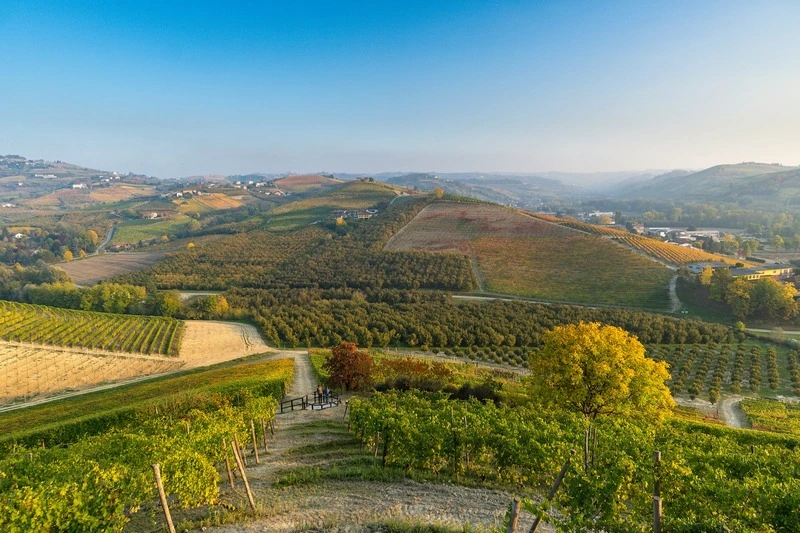
The “king” of Italian wines, Barolo, made from Nebbiolo grapes grown in Piedmont, is required to be aged for at least 38 months.
Most people think of Tuscany when they imagine Italian wineries, but Piedmont is a wine gem hidden in plain sight. Wines flow from its rolling hills, the most notable among them being the Langhe. The Langhe region includes the areas of Barolo and Barbaresco, the namesakes of Italy’s “king and queen” wines. Both are made from the most iconic grape of Piedmont, the Nebbiolo. It was this grape that put Piedmont on the map in the world of wine. There are endless vineyards you can tour to taste these wines and others — a nearly obligatory thing to do in Northwest Italy. Overseeing the wine-growing landscape is the 11th-century Castle of Grinzane Cavour — who was the architect of Italian unification — a great stop if you’re passing through.
Cycle the UNESCO-designated World Heritage landscape
The vineyards and quaint villages of rural Piedmont are best explored on two wheels. There are thousands of route options, many of which are loops, that can suit a variety of cyclists. Some of the easier paths trace famous vineyards, including the Barolo and Barbaresco growing areas, where you can stop off for a wine tasting. Many trails are also suitable for mountain biking or e-biking, especially the famed 140-km Roero Bike Tour.
Hunt for “white gold” truffles
Italy’s country’s truffle hunting traditions and knowledge are classified as Intangible Cultural Heritage by UNESCO. And there’s no better place to hunt for white gold than in Piedmont’s forests, particularly in the Alba area. The White Truffle Capital of the world is rich with the most valuable truffles, which regularly go for six figures. Join the tartufai (truffle hunters) and their dogs on an adventure to root out the delicious nuggets. Even if you skip going on a hunt, don’t skip the truffle risotto. The rice varieties for the dish are only grown in Piedmont and Lombardy.
Hike the Alta Valsesia
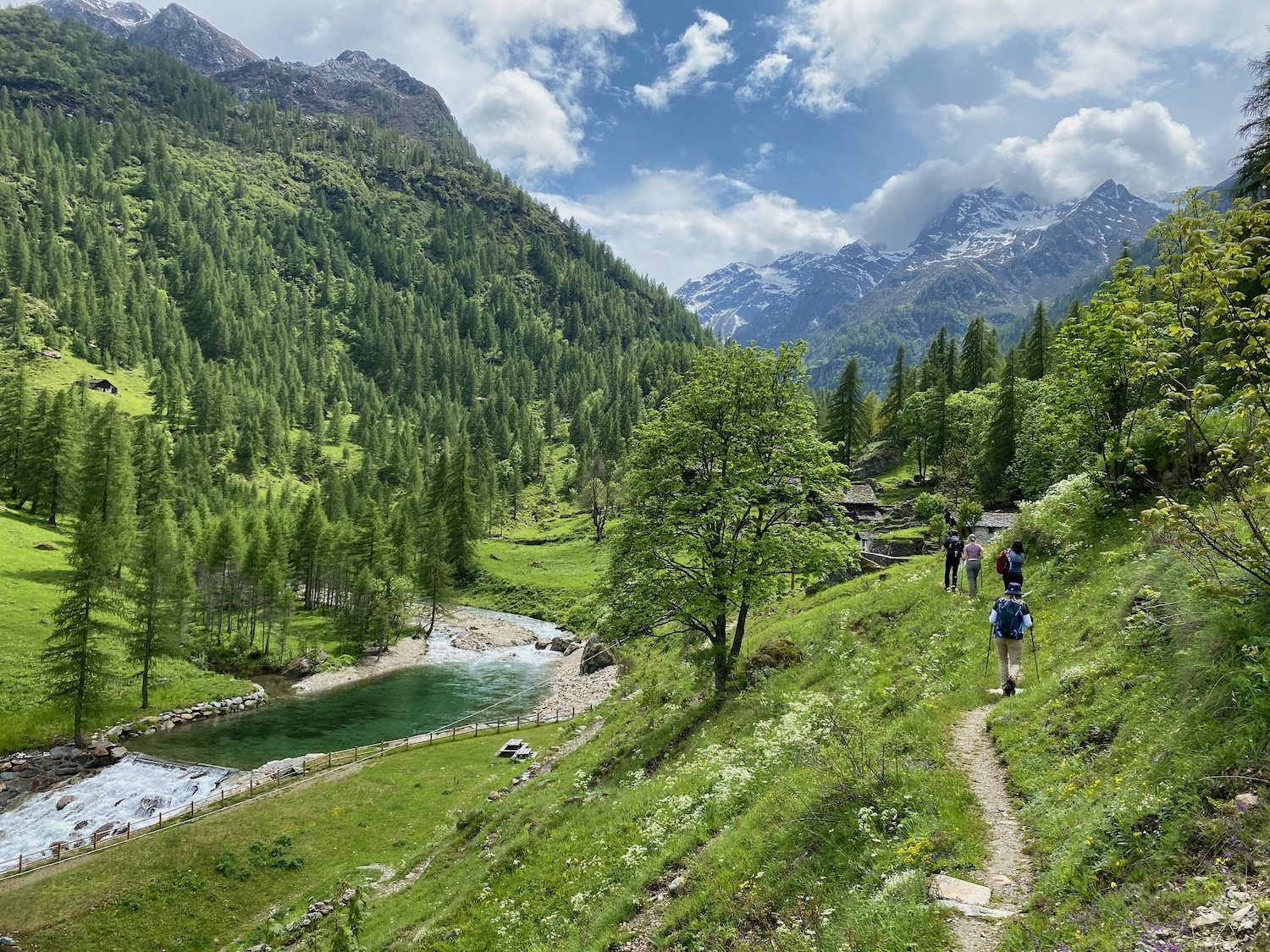
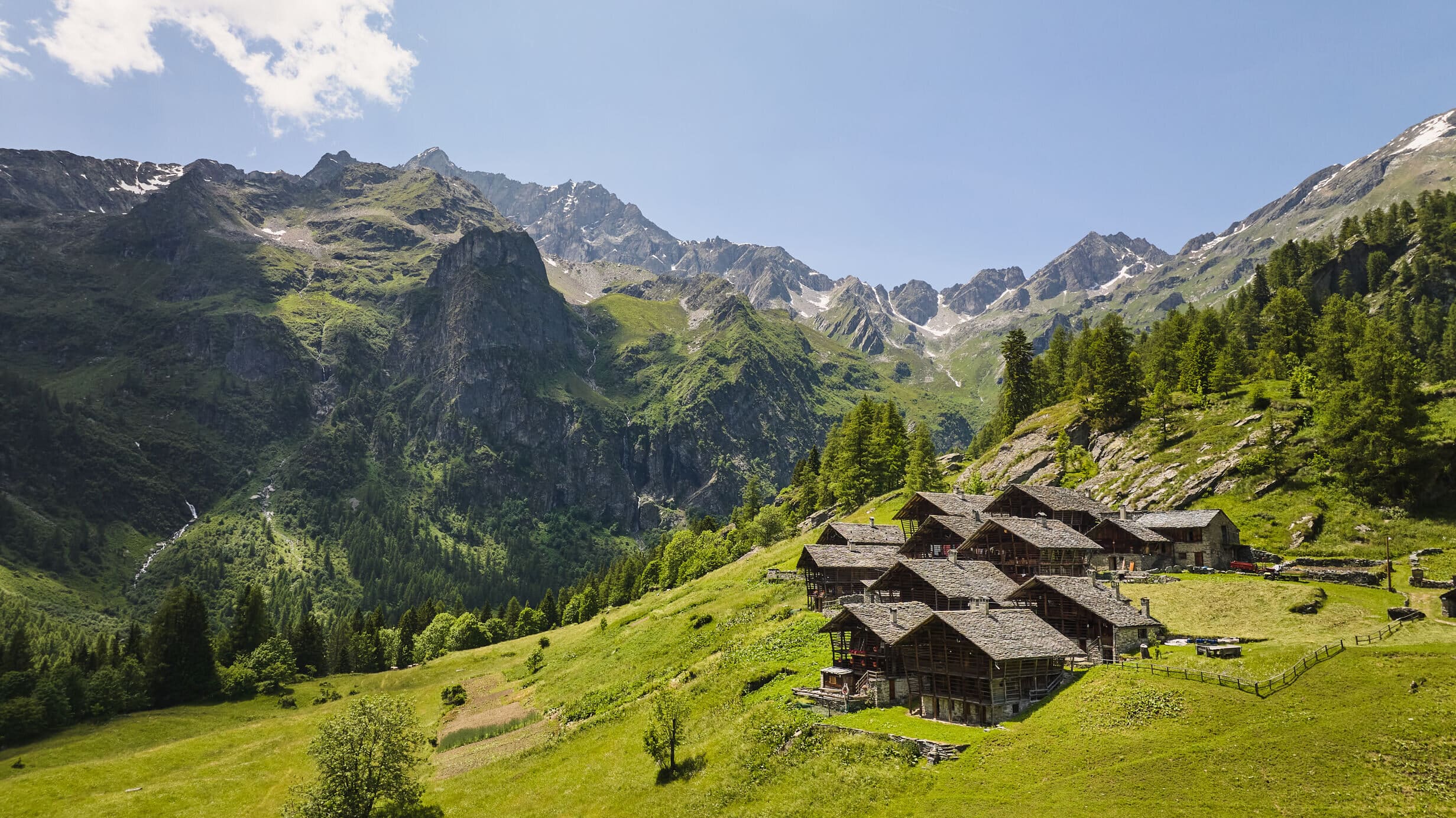
Hiking the Alta Valsesia is an outdoor cultural excursion: many hikes wend through centuries-old mountain hamlets, tracing ancient paths used by shepherds to bring cows, sheep and goats up to higher alpine pastures bursting with wildflowers.
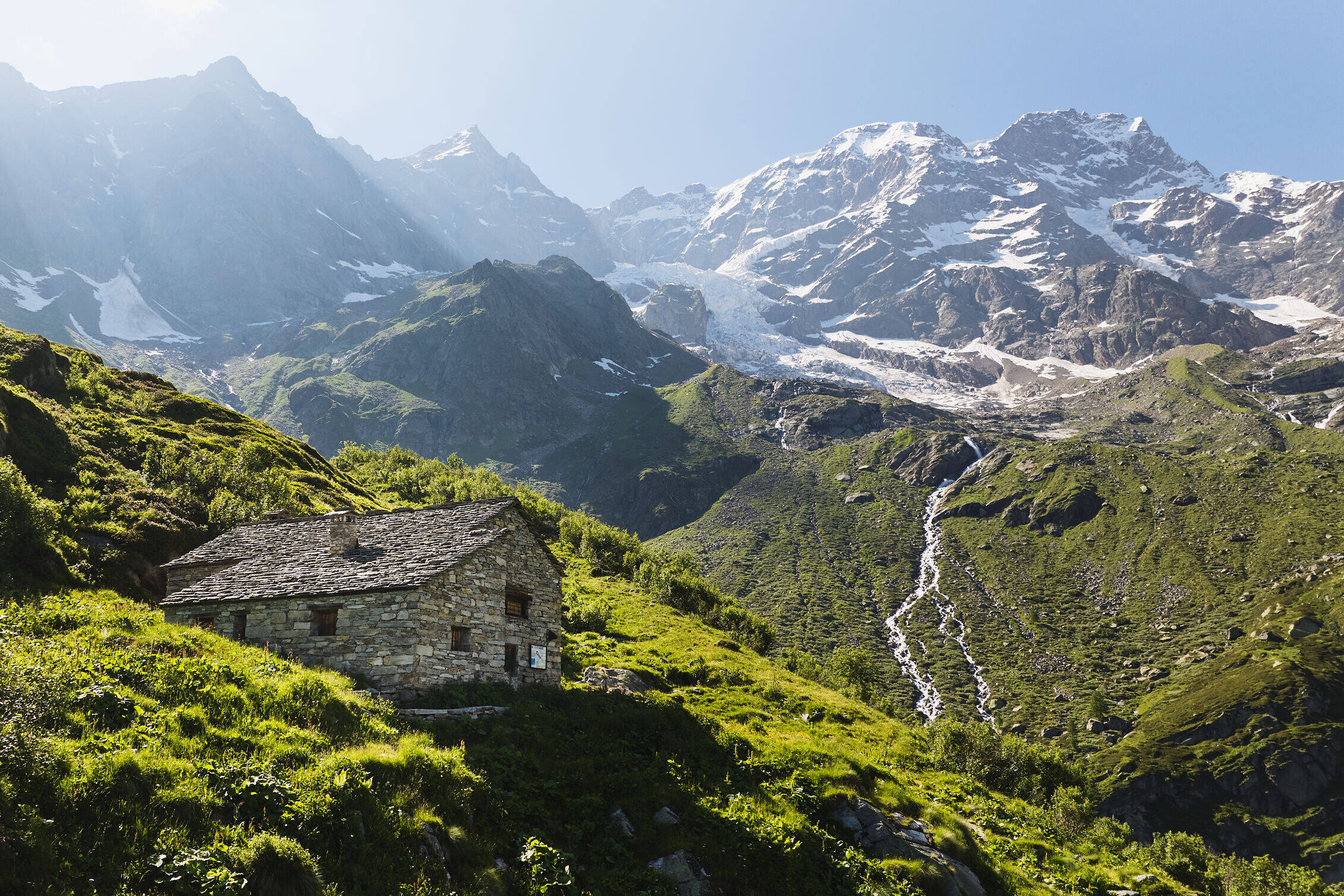
Dubbed the ‘greenest part of Italy,’ the Alta Valsesia is a narrow, verdant valley nestled at the foot of the Monte Rosa, the second-highest peak in the Alps, close to the Swiss border. Home to the Walsers, a Germanic shepherding people, the Valsesia is dotted with iconic wood and slate shepherd homes known as Baita that, together with the lush, glacier-carved valleys, has earned it a designation as a UNESCO Geopark. This hidden gem has also been karibu’s family home for the past 500 years. We lead our Italian Alps small group hiking tour from our base in the village of Alagna, a UNESCO World Heritage Site. Little known outside of northern Italy, the Valsesia has the best of Italian Alps trekking without the crowds of the more touristy Dolomites.
Turin
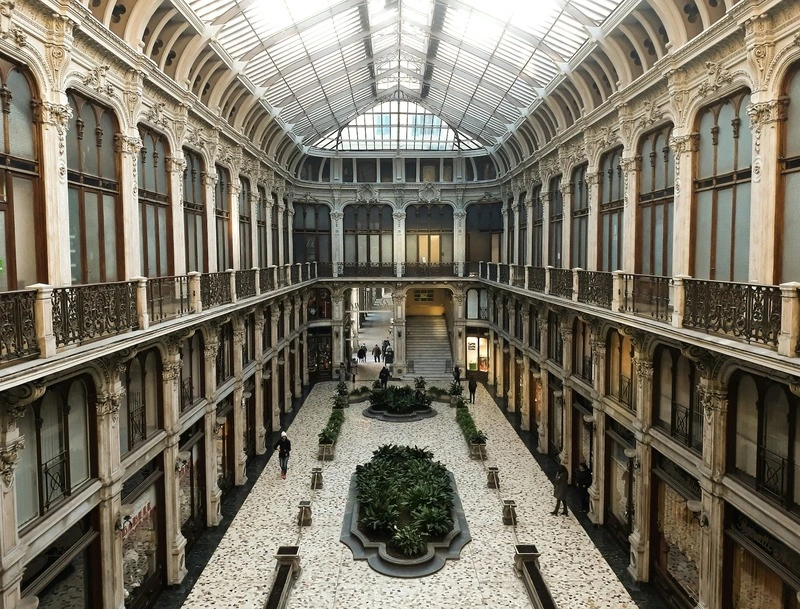
Turin’s distinguished elegance is particularly felt in its architecture, which was heavily influenced by the ambitions of the Royal Savoys.
Turin (Torino in Italian) was the seat of the Kingdom of Savoy and is the current capital of Piedmont. Despite its historic importance and being one of Italy’s largest cities, it remains a very quaint and picturesque royal city, filled with cafes and still true to its original ethos. In Turin, you get grandeur on a small, walkable scale.
See how the Italian monarchy lived
As the powerhouse of Savoy royalty and the first capital of Italy, Turin has an air of regal elegance. Sixteen of the Savoys’ dozens of palaces and castles, with their Baroque architecture and lavish interiors, have been converted to public museums called the Royal Residences. Undoubtedly one of the best places to see in northern Italy, the Royal Palace (Palazzo Reale) in the heart of the city exemplifies the opulence of the monarchy, with walls quite literally dripping in gold. Don’t miss the royal snack (merenda reale) served every afternoon. The tradition started in the 1700s with the royals sipping hot chocolate to tide themselves over til dinner.
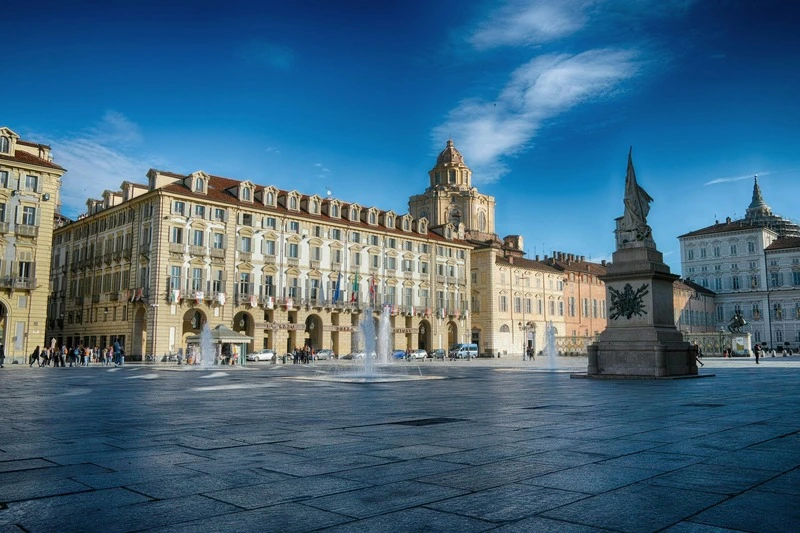
Piazza Castello, the main square of Turin, is the heart of some of the city’s most prominent institutions, such as the Royal Palace and Palazzo Madama.
Embrace the Slow Food ethos
To know the concept of Slow Food is to know Italy, and Turin is the epicentre of the global movement. Activism against fast food encroaching on Italy’s traditional cuisine began in the ‘80s in Rome, initiated by journalist Carlo Petrini, but found its way to Petrini’s hometown in Piedmont. It’s now the locale for the biannual Terra Madre gastronomic festival. Even if you can’t make the festival, you can get a feel for Slow Food in Turin’s Lingotto neighbourhood. There’s the first-ever Eataly — the food hall that brought small-scale Italian producers from the brink of extinction and has close ties to Slow Food — and the innovative GreenPea sustainable shopping and dining complex.
Taste Turin’s famous choco-hazelnut treats
Alongside wine and truffles, hazelnuts are a prized ingredient in Piemontese cuisine and a staple in north Italy’s food culture. Thankfully, they’re much less expensive or difficult to come by; the region has many hazel trees. A Turin chocolatier invented the beloved hazelnut–chocolate combo — what the world now calls Nutella, but was originally called giandoja — which has come to rule the city’s desserts. A classic is the “baci di dama,” biscuits shaped like lips and slathered in giandoja.
Aosta
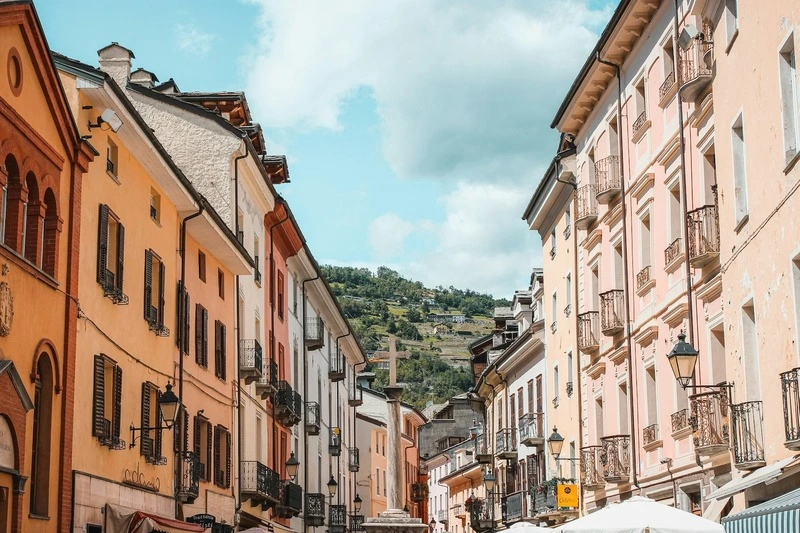
Aosta is the capital city of the Aosta Valley, the autonomous region that encompasses Mont Blanc, Gran Paradiso, Matterhorn and Monte Rosa.
Head just one valley west from our adventure in Alta Valsesia to Aosta. The Valle d’Aosta region’s primary city and former Roman capital is at the crossroads of Italy, Switzerland and France, a fusion reflected in its blended culture, and why it is an autonomous region. Aosta is commonly known for its famous ski hills Courmayeur and Cervinia, but it’s also a beautiful alpine getaway in summer. Ancient Roman remains and French chateaux exist nearly side by side, with snowcapped mountains wherever you look. Medieval and ancient monuments, plus great boutiques and restaurants, make Aosta a worthy and less-traveled destination for your north Italy itinerary.
Hop from chateau to castello
The town of Aosta is surrounded by the remains of noble families of bygone eras, from privately-owned chateaux (like the Castello Passerin d’Entrèves) to the stunning military base of Castello Duca degli Abruzzi. Most castles are open to the public, though. You can go inside the imposing Castello di Fénis, the epitome of medieval castles, and the Castello Reale di Sarre, a hunting lodge of Italy’s first king. The relatively austere Issogne Castle (“castle of dreams”) is a Renaissance residence known for its extraordinary frescoes. But if you’re looking for a fairytale, you’ll want to see the Castello di Saint-Pierré. The 12th-century castle, befit with turrets and all, is perched dramatically on a rocky outcrop. It’s now the region’s museum of natural sciences.
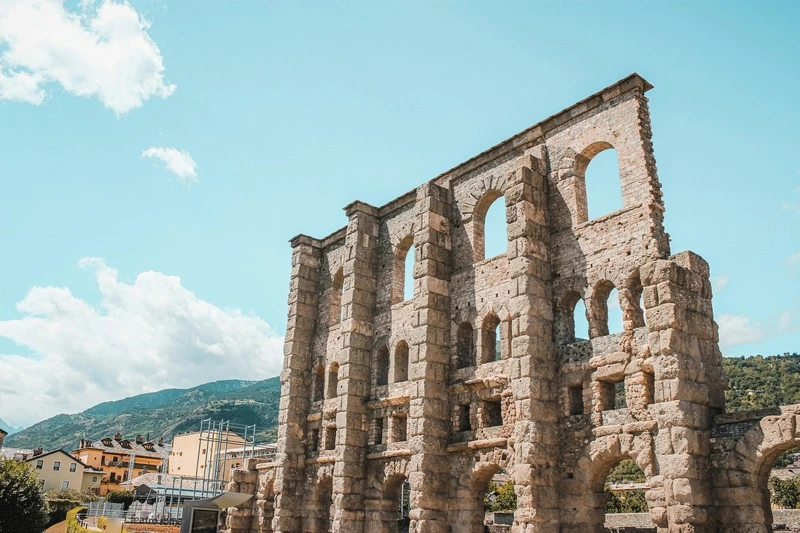
Aosta’s most known Roman ruin is what remains of a Roman theater, typical of the Empire.
Visit what remains of the “Rome of the Alps”
In addition to Brescia, Aosta is a place to see Roman relics in northern Italy. Sometimes called the “Rome of the Alps,” Aosta’s most impressive ruins are its walls and gates. Nearly three kilometres of the ancient Roman city wall remain intact, and the main gate, Porta Praetoria, is almost perfectly preserved. There’s also a Roman theatre and a Roman arch dating to 25 BCE. The theatre’s three-story facade — and the Alps seen through its “windows” — is the most photographed spot in Aosta.
The Italian Lakes
Northern Italy is renowned for its picturesque lakes nestled amid the scenic Alps. The most well-known is Lake Como, but several lakes make up Italy’s lake district. The waters and surrounding villages offer opportunities for boating, water sports, island hopping, hiking, and more, all while admiring the beautiful views.
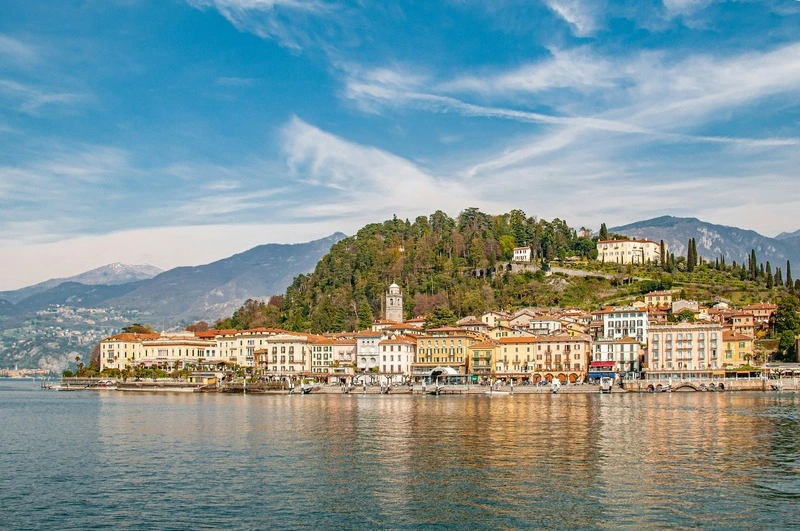
Bellagio is found at the “punta spartivento,” the tip of the peninsula where the three branches of Lake Como meet.
Traverse charming villages like Bellagio at Lake Como
If you want to walk through picturesque villages with amazing views, Lake Como is the best option. Lake Como has the most dramatic backdrop of the Alps, glassy waters and lakefront borghi (villages). Chief among them is Bellagio, the picturesque town jutting into the water. Take the scenic route to Bellagio by cruising up to the leafy green tip of the outcrop and docking in the translucent shallow waters. With its stately villas, like Villa Melzi, and 360-degree views of the lake, Bellagio is perfect for an afternoon of touring villas or strolling the promenade, gelato in hand.
Windsurf or dive at Lake Garda
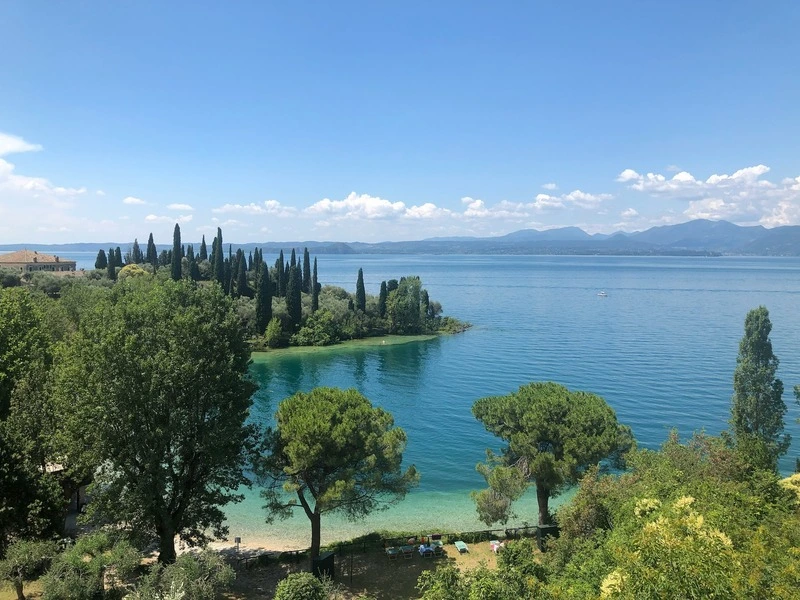
The winds that make Garda a hub for world-class sailing are named Pelèr and Ora.
Active adventurers will enjoy Lake Garda’s offering of water activities. By far the largest of north Italy’s lakes, Lake Garda is prime water-sporting territory. The lake gets consistent and intense winds, making windsurfing, kite surfing and sailing popular choices. The south end is less windy, so there are better chances for kayaking and canoeing. Divers frequent Lake Garda for its famous shipwrecks from ancient times to the 1990s and its curious underwater icons, including the “Silent Christ” statue, the Virgin Mary and a nativity scene. Overlooking the southern end of the scenic lake is a well-preserved medieval castle. Most of Castello Scaligero is open to the public for tours, and the best view of the lake is from the top.
Admire the gardens of Lake Maggiore’s islands
If you’re interested in botanical gardens, you’ll love Isola Bella and Isola Madre on Lake Maggiore. The waters of Lake Maggiore, shared between Italy and Switzerland, are ideal for water sports and surrounded by enchanting medieval towns, but the lake’s treasures are its gardens. The most well-known are the gardens on the Borromean and Brissago Islands. Isola Bella has Baroque gardens, and Isola Madre is an entire island of botanical gardens boasting prehistoric flowers and Himalayan trees, with colourful parrots flying overhead.
Kayak at Italy’s Thailand in Lake Iseo
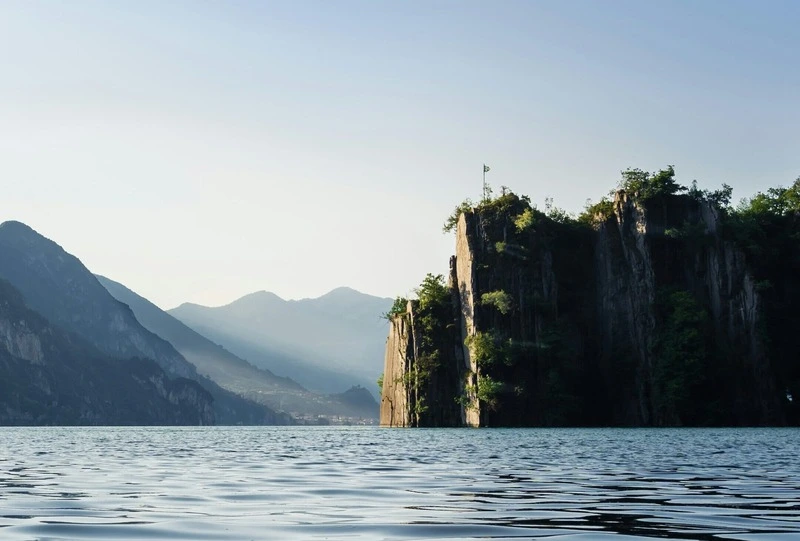
You might know Lake Iseo for its history with contemporary art. Christo’s headline-making temporary installation, “The Floating Piers,” were constructed on Lake Iseo in 2016.
If you’re looking for something more sporty and off the beaten track, try Lake Iseo. The small, less-touristed Lake Iseo is the hidden jewel of north Italy’s lakes. Tucked away in the Franciacorta district of premium sparkling wine, Lake Iseo contains Europe’s biggest lake island and is bordered by medieval villages. Best of all is Baia del Bogn, often called Lombardy’s Thailand. The secret bay, its clear waters sheltered by sheer cliff faces decorated with climbing plants, is best explored by kayak. You can also swim from the small pebble beach, but bring water shoes if you’re exploring on foot.
Milan
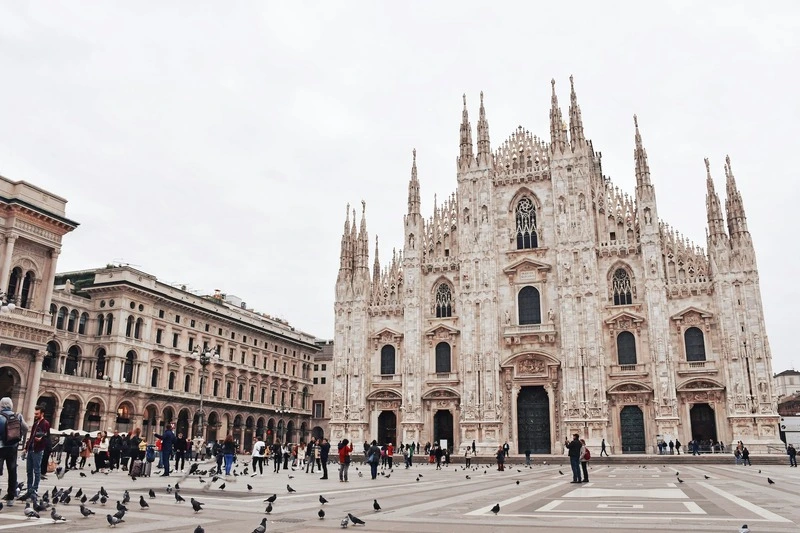
Milan is much more than the Duomo, though the symbol of the city is always worth a visit.
It would be difficult to find a north Italy itinerary excluding Milan — and since you’ll fly in and out of Milan for the karibu Italian Alps hiking tour, it’s a no-brainer for a few extra days of exploration. Italy’s fashion capital and economic hub is more than glitz and industry: Milan has some of the most notable sites and things to do in north Italy, from legendary Renaissance art to a thriving opera culture. With risotto alla milanese and acclaimed Lombard cheeses, it’s an underrated culinary destination, too.
See Leonardo da Vinci’s masterpiece, “The Last Supper”
The “Last Supper” (Cenacolo) is an obvious must-do in Milan. The 15th-century mural is tucked in the former Dominican convent of Santa Maria delle Grazie, its original location. The art speaks to the Italian passion for art and heritage conservation; the Cenacolo only survived the onslaught of WWII thanks to locals’ ad hoc protective efforts. But the work is fragile, so visits are limited and usually booked three months in advance.
Watch a performance at La Scala, a global stalwart of opera
The world’s most famous opera house since 1778, La Scala is one of the most important historical places to see in northern Italy. From ballet and opera to choir and orchestra, Milan’s Teatro alla Scala is one of Italy’s most regaled cultural institutions, and tickets to performances often sell out within minutes.
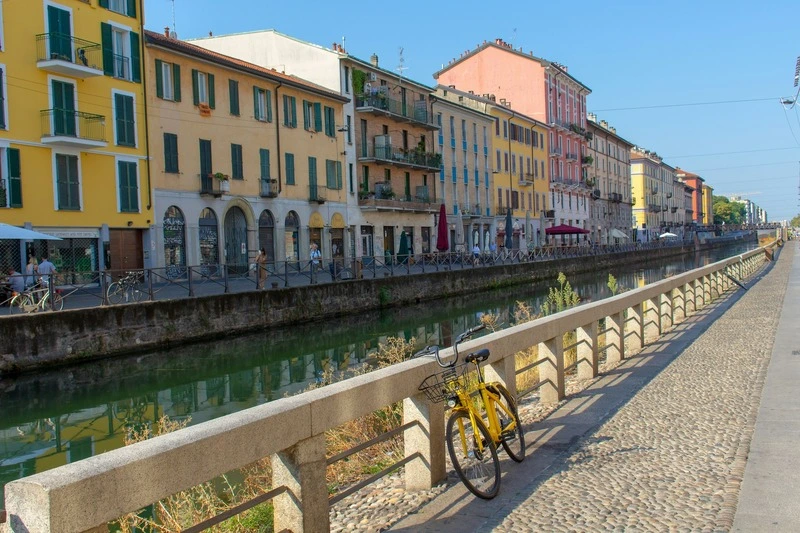
Milan’s 162 kilometres of canals are popular among cyclists.
Cycle Milan’s 12-century canal, Naviglio Grande
Milan may be a metropolitan hub, but it’s very close to bucolic scenes. These places are best seen by bike via the famous Milanese canal system. The Naviglio Grande, the oldest of the five canals (we’re talking 12th century), extends 50 km from the city’s Naviglio neighbourhood to the Ticino River, through rice fields and past former convents. Most known is the town of Abbiategrasso, which is about 20 km into the route. There, you’ll find more bicycles than cars, delicious local food and the 13th-century Visconti Castle, which has ancient graffiti.
Taste Gorgonzola from the source
This deliciously stinky Italian cheese originates from a suburb of Milan. Gorgonzola, the eponymous hometown of Italian blue cheese, has been a cheese lover’s paradise since the ninth century. Lucky for karibu tour-goers, the annual cheese festival is one of the most delicious things to do in Northern Italy in September. For three days, you can’t go anywhere without smelling (and tasting) Gorgonzola cheese in all of north Italy’s food staples — from risotto to gnocchi and polenta. There are also artists, musicians and fireworks that make it a real party all weekend long. Gorgonzola is easy to reach from the city centre; despite being on an ancient Roman road on the city’s outskirts, it is connected to Milan’s metro system.
Day trip to Northern Italy’s most significant Roman ruins
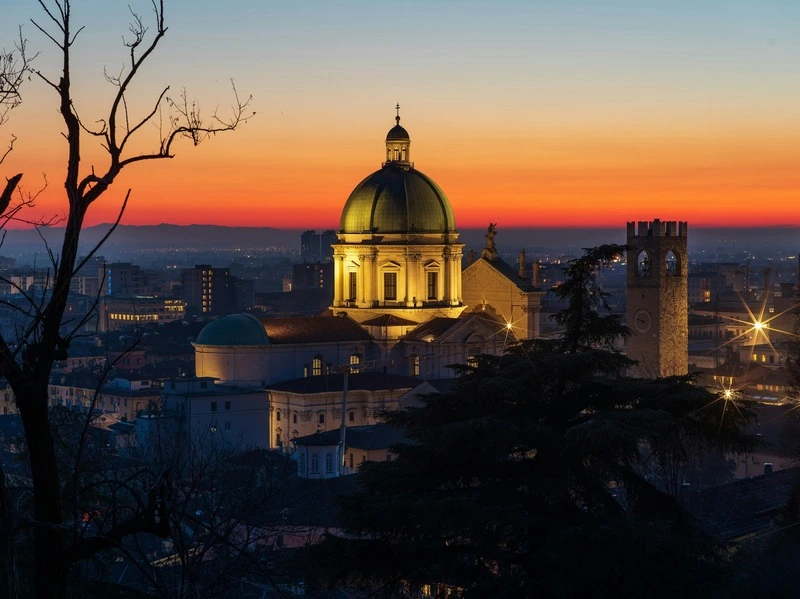
Brescia is situated between Lake Garda and Lake Iseo, making it an ideal base for lake exploration.
Just 30 minutes by train from Milan is Brescia. The historic city at the base of the Alps is a surprising place to find some of northern Italy’s most important Roman ruins. The UNESCO World Heritage complex is in the city centre. The ruins include the Capitolium, a smaller (and 600 years younger) version of the Roman Forum’s Temple of Saturn, and a Roman theatre. But most captivating is what’s underground. The relatively recent opening of the 1st-century Santuario Repubblicano takes you subterra to pristinely preserved mosaics and frescoes. You can also see two Roman-era houses at Brescia’s museum of history of art, Santa Giulia.