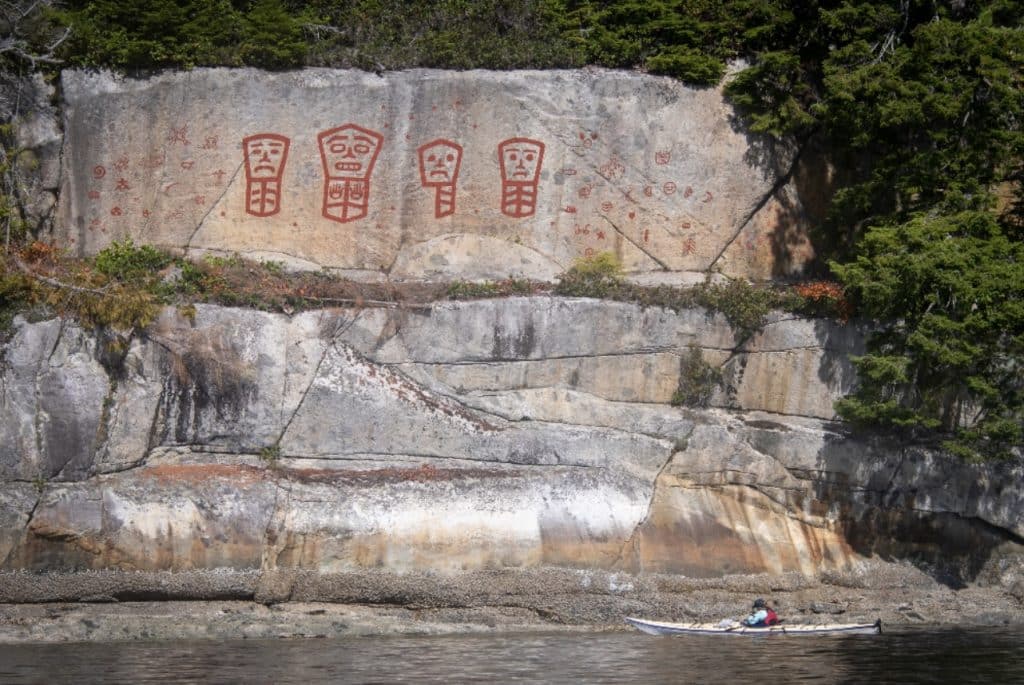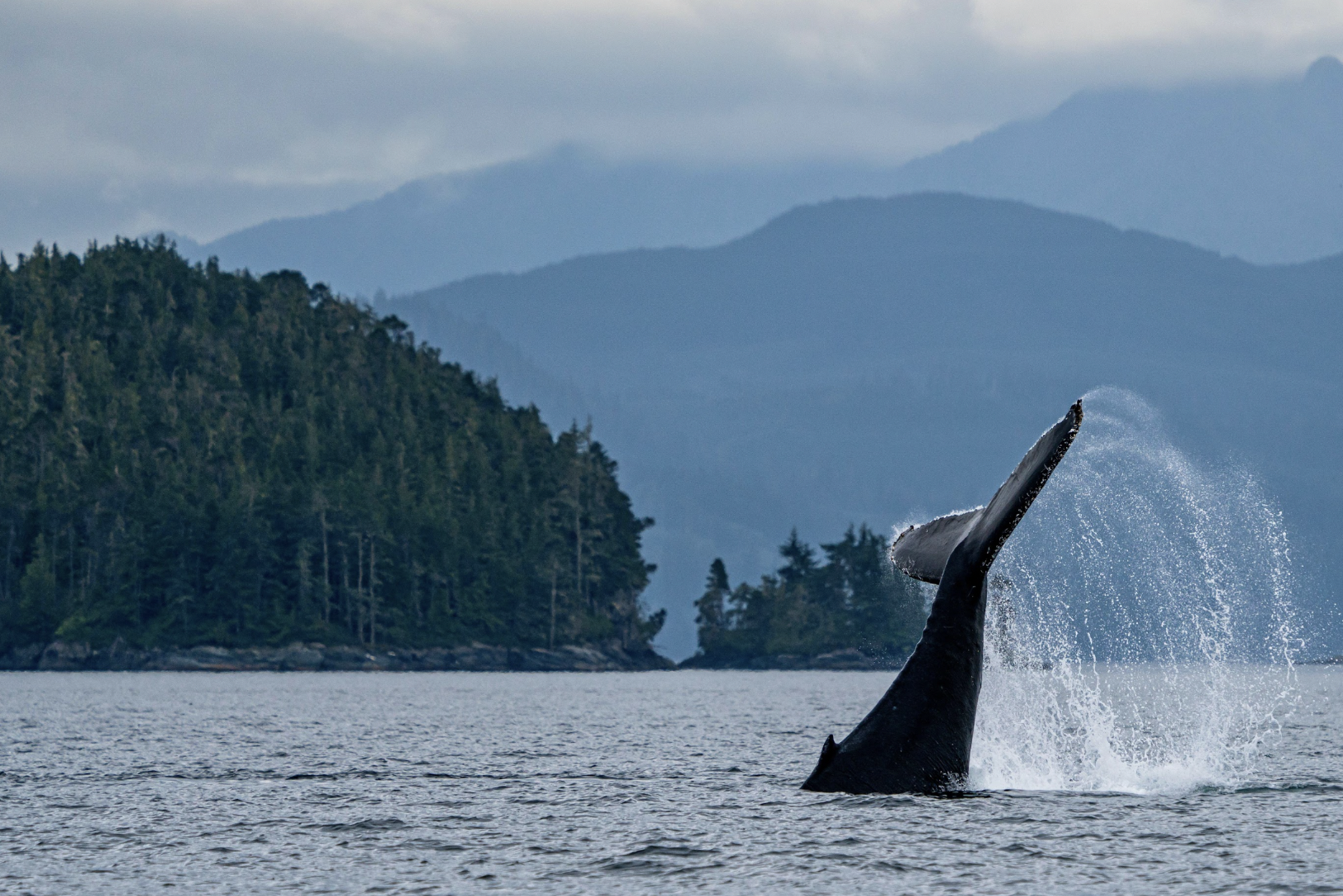
Last year, Condé Nast Traveler crowned Vancouver Island one of the best island vacations in the world, alongside the likes of Hawaii, Mallorca and Dominica. This under-the-radar western Canadian island is one of the most beautiful places on earth, with outsized giant forests, spectacular mountainscapes, incredible wildlife and rich history and culture, if you know where to look.
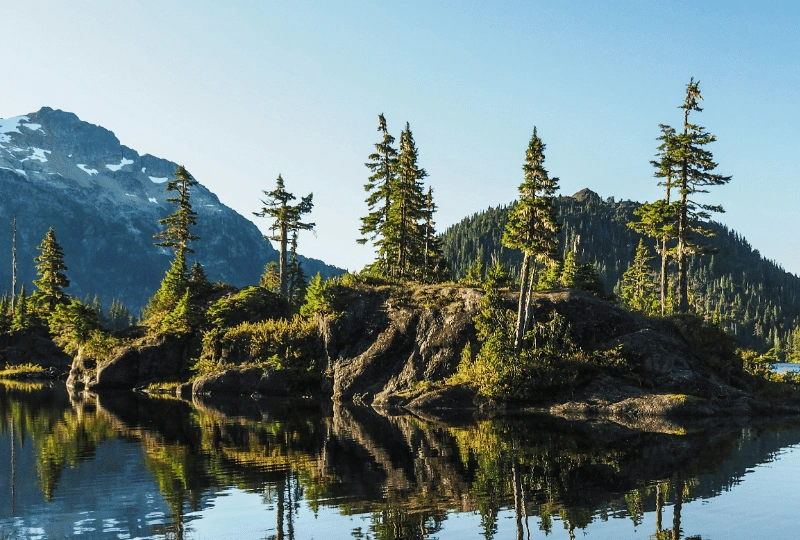
Vancouver Island is an outdoor adventurer’s dream, with 128 provincial parks, including British Columbia’s oldest park, Strathcona Provincial Park (pictured).
Whether hiking the West Coast Trail, surfing, kayaking, looking out for wildlife or strolling through Victoria’s Butchart Gardens, there is something for everyone. Vancouver Island’s unrivaled natural beauty is a place that makes you feel alive — perfect for an engaging family vacation, outdoor adventure, reconnection with nature, Indigenous exploration or cultural immersion in Victoria’s Old World British charm.
Surf, sand, swim
Kayak the Johnstone Strait
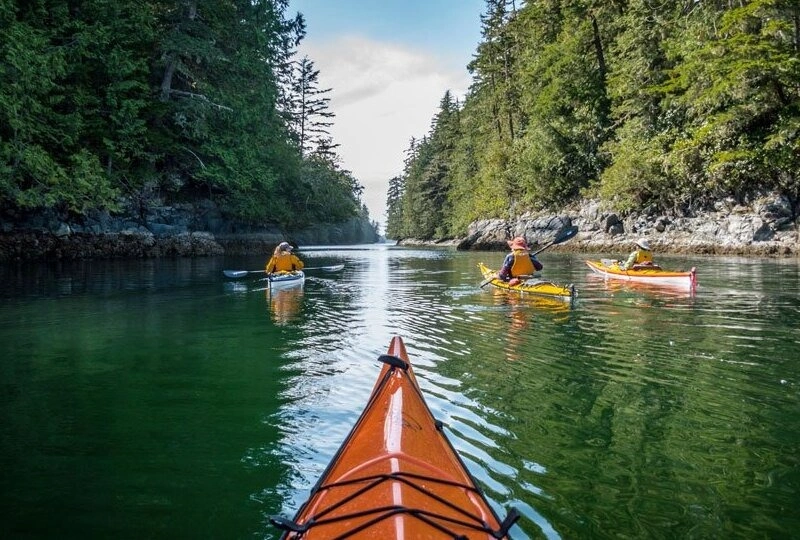
Kayaking through the inlets and island narrows off the Johnstone Strait, you never know what kinds of wildlife will surprise you.
The Johnstone Strait is God’s gift to kayakers. The famed channel off the northeast coast of Vancouver Island is a dreamily picturesque crossroad, connecting the 200-plus islands of the Broughton Archipelago to the north and the mainland’s Coastal Mountains to the east. In Vancouver Island’s most remote corner, kayakers can paddle among island narrows, gliding over beds of giant bull kelp and pull into the Strait for majestic mountain views. You will likely find yourself kayaking with killer whales in these parts, not to mention humpback whales, dolphins and Steller sea lions. It easily boasts the greatest concentration of animal life anywhere in British Columbia.
Surf Tofino, “Canada’s surfing capital”

There are countless spots to catch a wave on the Tofino peninsula, such as the stunning Cox Bay (pictured).
Tofino has it all — world-class surfing, sandy beaches, mountain vistas, spectacular old-growth forests and wildlife. And thanks in part to the successful protest to protect the forests, it is recognized as a UNESCO Biosphere Region.
Swim & soak up sandy beaches
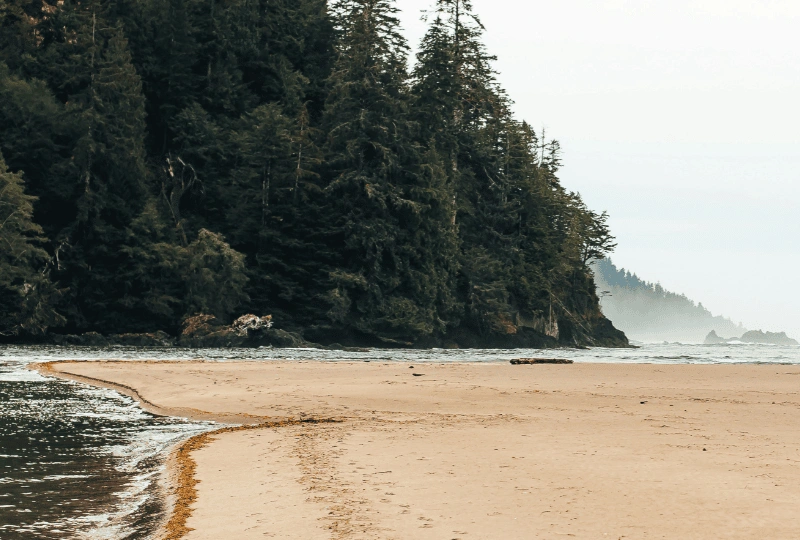
You can find clean sandy beaches in most areas of Vancouver Island.
On the East Coast — Qualicum Beach
To be noted: though Qualicum is tranquil most of the year, be prepared for crowds and competition at the annual Ocean Mile Swim in late August.
On the West Coast — Tofino
Most widely known is Long Beach, the largest and longest beach on Vancouver Island’s west coast. Families flock to MacKenzie Beach, which has gentle waves for little ones and plenty of shells and tidal pools filled with life to comb through at low tide.
But locals prefer the white sand and laidback atmosphere at Chesterman Beach. A long walk to the beach’s north end takes you to the Wickinannish Inn, where you can admire traditionally trained wood carvers as they create stunning wood art and dine at the hotel’s renowned restaurant.
Discover Vancouver Island’s amazing wildlife
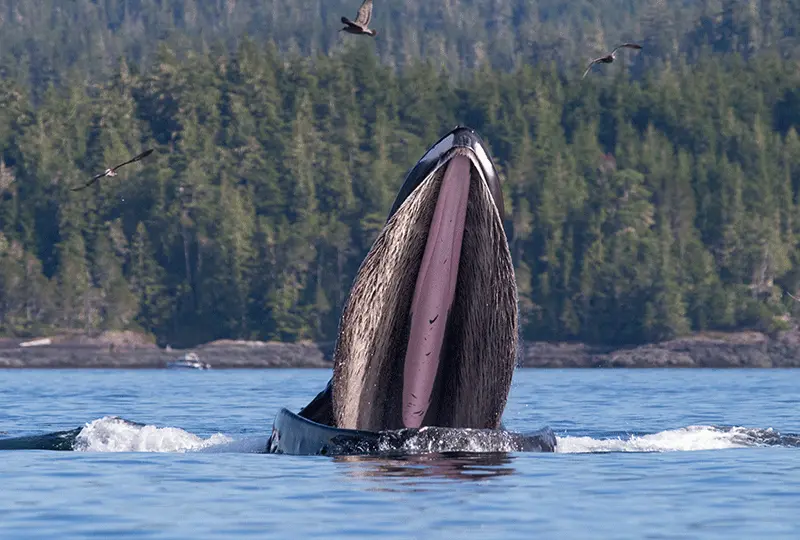
Vancouver Island’s whale-watching scene is top-tier. You can spot humpbacks, orcas, minke and gray whales.
Vancouver Island is a paradise of lush forests and animal life, including Roosevelt elk, black-tailed deer, cougars, and foxes. It’s perhaps most famous however for bear viewing and whales
Vancouver Island’s elusive, endemic species: The Vancouver Island wolf
Killer whales in northern waters
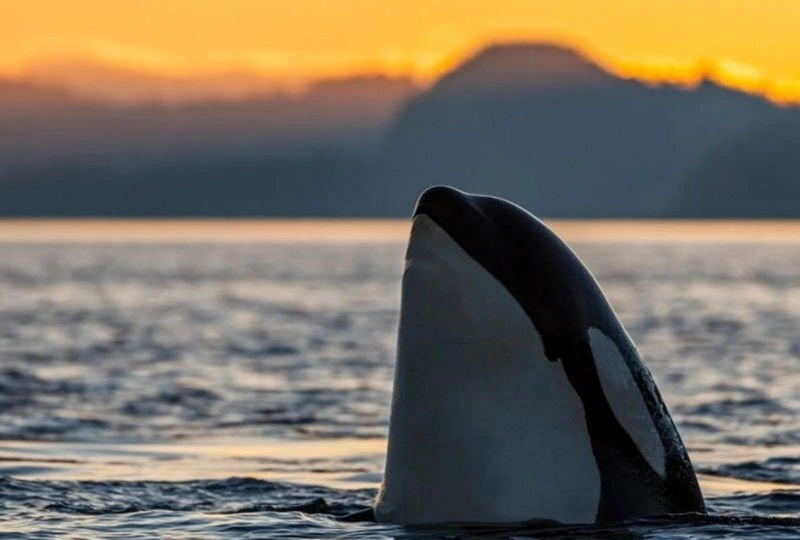
Catching a breathtaking view of killer whales is one of the top reasons to visit Vancouver Island.
Vancouver Island’s northeast coast isn’t just the best place in North America to see orca whales. It’s one of the best in the world. In fact, there are very different populations of orca whales in these waters: transient orcas and residents.
Transient killer whales, also called Bigg’s killer whales, are nomadic, coasting along the entirety of the Pacific Northwest. This type of orca gives the whales a fierce reputation for hunting marine mammals. You might have seen the shocking recent video of a grandmother transient orca, 60-year-old Sophia, taking down a great white shark.
But it’s the pescatarian North Resident killer whale you’re more likely to encounter off the coast of North Vancouver Island. They are genetically distinct from the transient orcas, and the two groups do not breed or even interact, despite sharing waters. They have a complex social structure consisting of clans and tight-knit pods, and each pod has a unique call.
The easiest way to spot a North Resident whale is by its dorsal fin, which is rounder in shape than a transient whale’s. You can oft spot killer whales in the Johnstone Strait, Blackfish Sound and the Broughton Archipelago. The area also has a famous orca sanctuary, located in the Robson Bight-Michael Bigg Ecological Reserve.
The best time of year to see orcas in their splendour is August and early September when they come to feed on the salmon. karibu adventures North Vancouver Island tour runs twice every August, and we take you to the best spots to see the killer whales coming to feast.
Sea lions & birds in Cowichan Bay
The waters around Cowichan were also once great for scouting out killer whales. However, the southern resident pod, as it’s called, is the smallest of the three resident killer whale populations and its numbers continue dwindling. Latest reports indicate only 74 Southern Resident killer whales remain, in contrast to the Northern Residents numbering more than 300. You’ll have a better shot at seeing killer whales in the wild off Vancouver Island’s North Coast.
Black Bears & Grizzlies
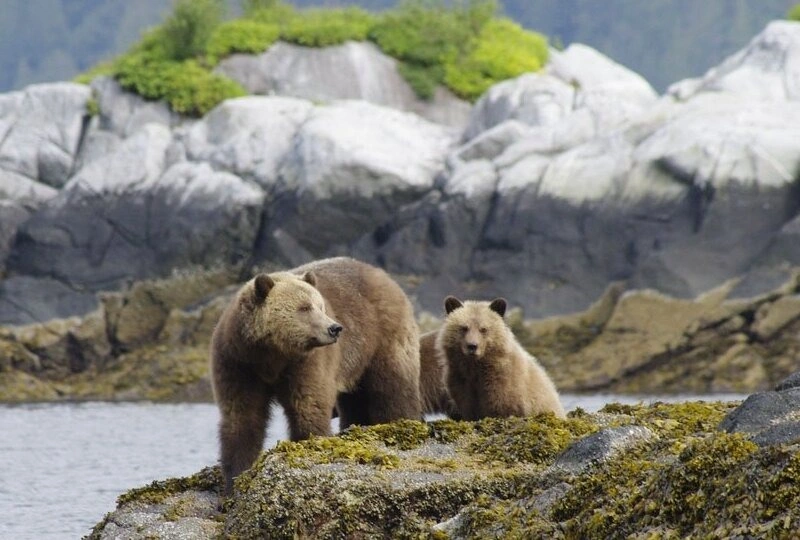
You can spot three types of bears on and near Vancouver Island: Black Bears, Grizzlies, and Kermode (Spirit) bears. Black Bears dominate the island, and visiting Grizzlies can usually be found on a guided tour. The elusive Spirit bear, the official provincial mammal of British Columbia, is a bit trickier to track down than the others.
Grizzly bears are much more elusive than the island’s black bear population. These bears are common in mainland British Columbia but, until recently, weren’t found on Vancouver Island. But in recent years, there have been more frequent sightings — particularly in the island’s north, where the bears land after their swim over from BC or island hop from the small islands between Vancouver Island and the mainland. Since Grizzly bears don’t officially live on the island and can be difficult to find, you might consider taking a grizzly sightseeing tour with experts who know the ins and outs of the bears’ local haunts.
Join the bears in autumn for the legendary Vancouver Island Salmon Run
The bears’ special event of the year — and a tourist favourite, too — is the Salmon Run. Vancouver Island’s annual Salmon Run is a hallmark of autumn; nature ushers in the new season with the spectacle of salmon returning to their birthplace to spawn. While salmon spend most of their lives in the ocean, they fight against currents to lay their eggs in rivers and streams. You can watch the salmons’ journey all over the island’s waterways between September and December.
Just keep in mind that this is prime salmon fishing season for wildlife, so you’re likely to encounter some hungry bears.
Explore on foot — Hiking Vancouver Island
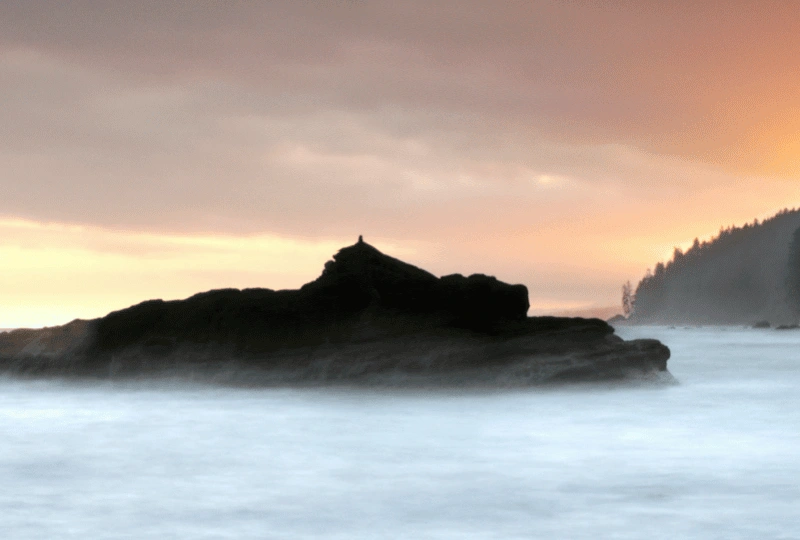
Vancouver Island has a range of hiking opportunities suitable for beginners and experts, all boasting heart-stopping vistas.
Cape Scott, North Coast Trail
At the northern tip of Vancouver Island is the nostalgic red and white Cape Scott lighthouse and its namesake park with a dozen hiking trails. The original Cape Scott Trail feeds into the newer North Coast Trail, an additional 43 kilometres of hiking that’s not for the faint of heart. Less experienced hikers have plenty of other options, such as the original part of Cape Scott. This is prime hiking for anyone’s interest, be it a challenging coastal adventure or seeing cultural relics of historic First Nation communities (the Nahwitti) and 19th-century Danish settlers in situ.
Pacific Rim National Park, West Coast Trail
Hiking through temperate rainforest and sandy beaches… You’d think we’re talking about a Caribbean island, but this is Canada’s Pacific Rim National Park in southwest Vancouver Island. Ducking through hanging moss and taking in panoramic views of the volatile Pacific Ocean brings the wildness of the place into focus.
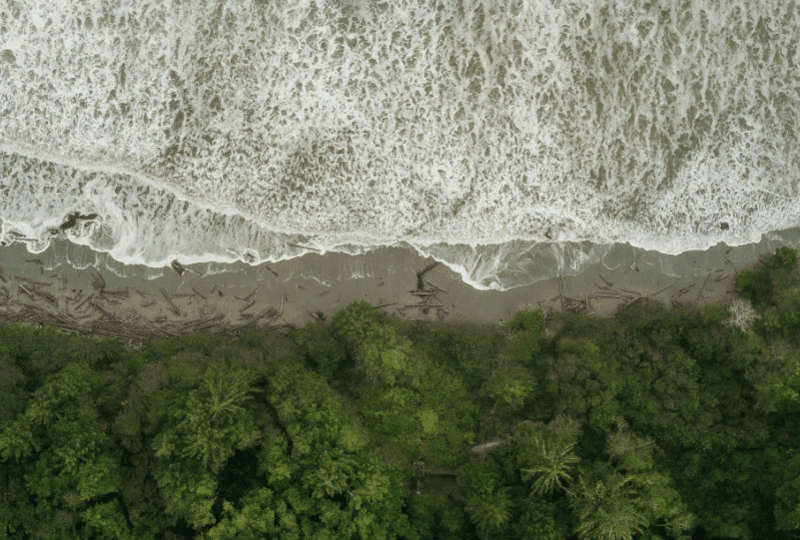
The Long Beach Unit is one of the three sections of the Pacific Rim National Park Reserve on Vancouver Island’s west coast.
Pacific Rim has a diverse ecology that covers more than 500 square kilometres. In terms of walking and hiking trails, there’s something for everyone; different areas of the park are designated for varying levels of adventure. The most famous (and most intense) section of the park is the West Coast Trail. The government warns that even the most experienced hikers will be challenged on the 75-kilometre trail, which traces First Nation paths and paddling routes. This is true backcountry hiking, sprinkling in tons of ladder climbs, but the hidden gems — shipwrecks, waterfalls, wildlife encounters — keep you motivated.
Fish for exquisite catches
With the ocean plus hundreds of rivers and lakes, Vancouver Island is a haven for freshwater and saltwater fishing. Just be sure to follow British Columbia’s rules and regulations for fishing on the island.
Best salmon fishing — Campbell River
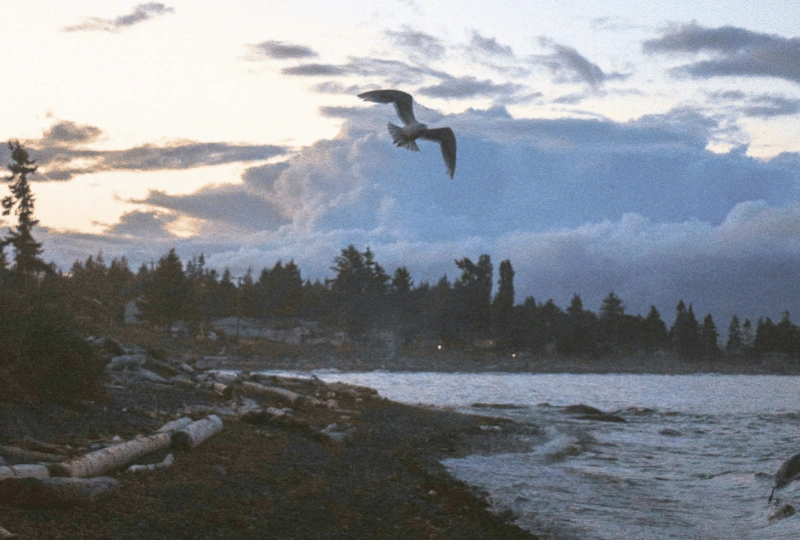
Campbell River, also known by its Kwak’wala name, Tla’mataxw, is home to five species of Pacific salmon — Chinook, Chum, Coho, Pink and Sockeye.
Campbell River in east Vancouver Island is the self-proclaimed “Salmon Capital of the World”. This salmon-fishing wonderland has five species of Pacific salmon. You can stay on the river or take a charter boat to go deep-sea fishing, passing through the nutrient-rich Discovery Passage, where the largest octopus in the world, the Giant Pacific Octopus, is known to live.
Best freshwater fishing — Comox Valley
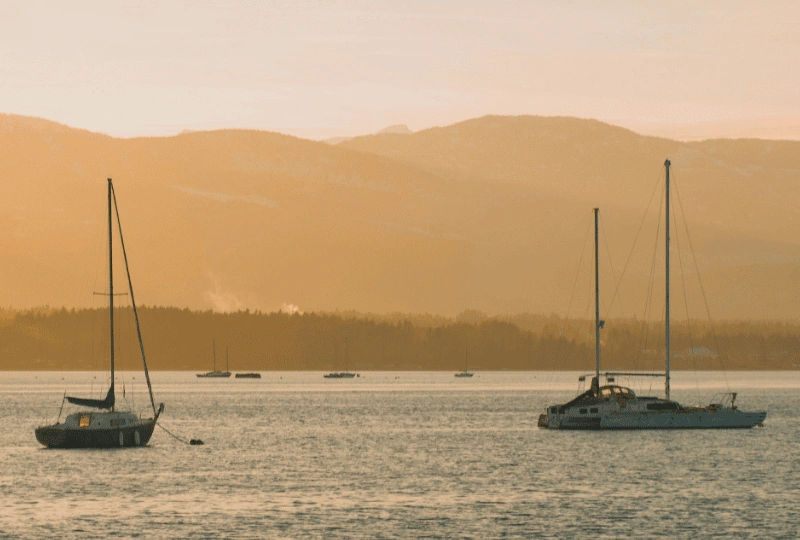
Comox Lake is a scenic locale to fish for cutthroat and rainbow trout.
Best trout fishing — Cowichan River
Travelling further south down Vancouver Island’s east coast, you find Canada’s second-best fishing destination of 2024, according to the world’s largest online travel fishing company. The entire Cowichan is resplendent with rainbow trout, large brown trout, and steelheads, but repeat visitors swear by the areas around Skutz Falls, Stolz Pools, and Sandy Beach for the best catch. Vancouver Island’s trout paradise is easy to access at just an hour’s drive from Victoria. Definitely get here before everyone comes in droves as a result of the latest rankings!
Go mountain biking in a remote village
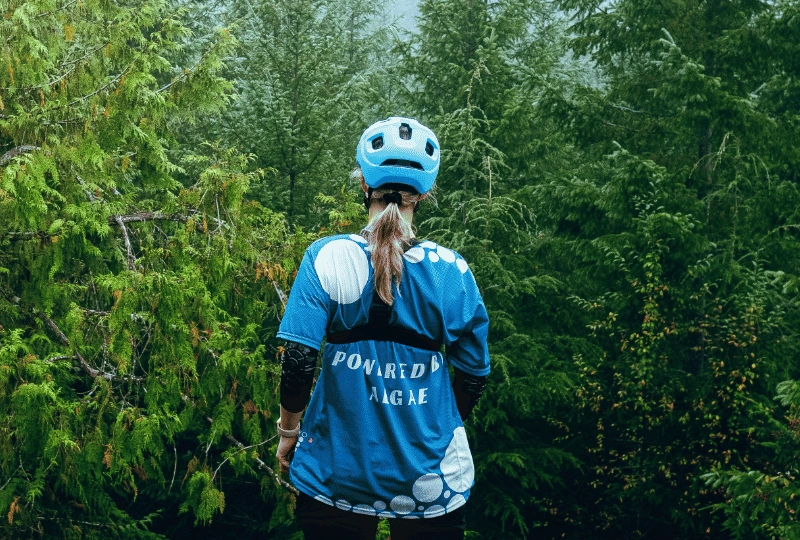
Cumberland is a rising star among mountain biking enthusiasts, not only for its trails but its incredible location.
For this unique activity, we return to Comox Valley, where there are year-round recreation options — skiing Mount Washington in the winter, fishing in the spring, and golfing in the summer, to name a few. South of main-city Courtenay is an eclectic village in the Coastal Douglas Fir forest: Cumberland. The village and surrounding forest are raved about by mountain bikers across North America, who are drawn there by a vast network of 200 mountain biking trails. The thriving mountain biking scene is complemented by the town’s vibrant culture of local businesses, including craft breweries and kitschy shops.
The island’s art and culture
Vancouver Island has a storied past told to us through relics, like British colonial era’s Victorian architecture, and through the combination of past and present First Nations communities.
Indigenous culture

A visit to Vancouver Island is incomplete without witnessing the area’s vibrant and diverse Indigenous heritage.
Northern Vancouver Island — Kwakwaka’wakw
The north is the homeland of the 18 tribes of the Kwakwaka’wakw, a traditional fishing community known for their distinct style of art.
Cultural hotspot: ‘Yalis (Alert Bay), Cormorant Island, ‘Na̲mg̲is territory
The small island of Alert Bay is a vibrant testimony to Indigenous resilience and cultural heritage. There are numerous opportunities to engage with local First Nations community members and discover their cultural traditions and history. On the island is U’mista Cultural Centre, located on the site of a former residential school, which showcases a renowned collection of potlatch regalia that has since been reclaimed by the community. There are also unmissable experiences to discover at Namgis Big House, where you can watch a performance of traditional Kwakwa̱ka̱’wakw dances.
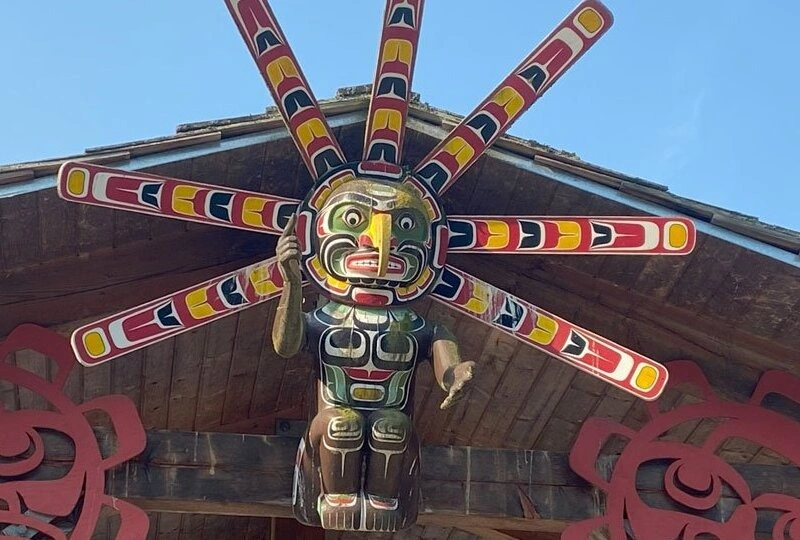
This traditional wood carving of the sun is one of many First Nation heritage items found in Alert Bay, the Land of the ‘Namgis First Nation.
West Coast — Nuu-chah-nulth
Cultural hotspot: Flores Island, Clayoquot Sound
Tiny Flores Island on Vancouver Island’s west coast is the heart of the Ahousaht — the largest contemporary Nuu-chah-nulth nation. Nearly all locals are Ahousaht, who have settled around the island’s primary port of entry, Marktosis. The local community welcomes respectful visitors to their haven. The 10-kilometre Ahousat Wild Side Heritage Trail is a popular pilgrimage that traces a route used for centuries. Hiking the trails carved through forests of ancient old-growth Sitka Spruce, you’ll encounter many First Nations heritage sites.
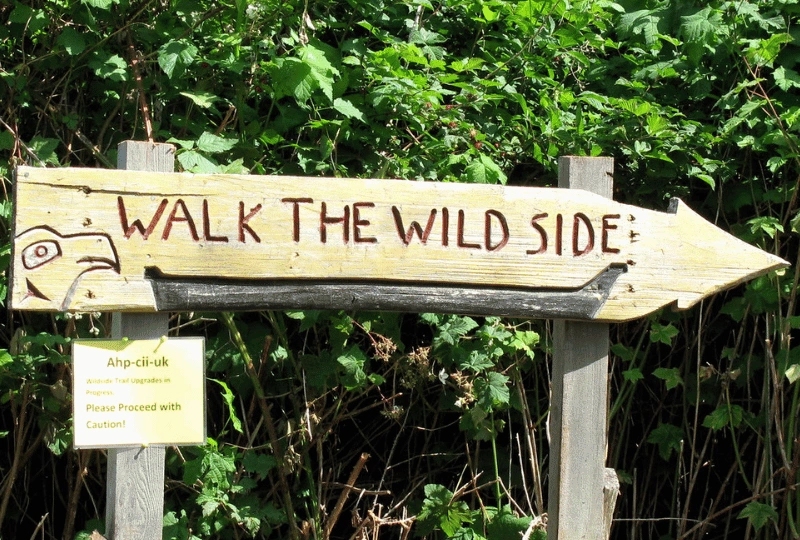
he Ahousaht Wild Side Heritage Trail is the top-rated activity on Flores Island. Photo by Ecotrust Canada.
Southeast — Coast Salish
More than 40 independent Nations comprise the Coast Salish peoples, a diverse collective that now extends all the way to Oregon. Their diversity has given rise to varying languages and traditions, but the independent nations maintain a strong historical and cultural connection to the Coast Salish identity. The Coast Salish are named for the Salish Sea, upon which they historically depended (and they continue to advocate for the environmental protection of these waters.)
Cultural hotspot: Nanaimo
There is no shortage of things to do in Nanaimo to experience Indigenous culture authentically. The First Nation presence is strong throughout the city, with many art galleries, community and educational centers, and even fashion studios. The Snuneymuxw First Nation has lived in present-day Nanaimo for longer than modern memory, and the 2,000-strong Snuneymuxw community remains in their traditional territory. A Snuneymuxw-managed provincial park covers one of the small nearby islands — Saysutshun — where you can experience the deep spirituality of their culture at more than 20 sites.
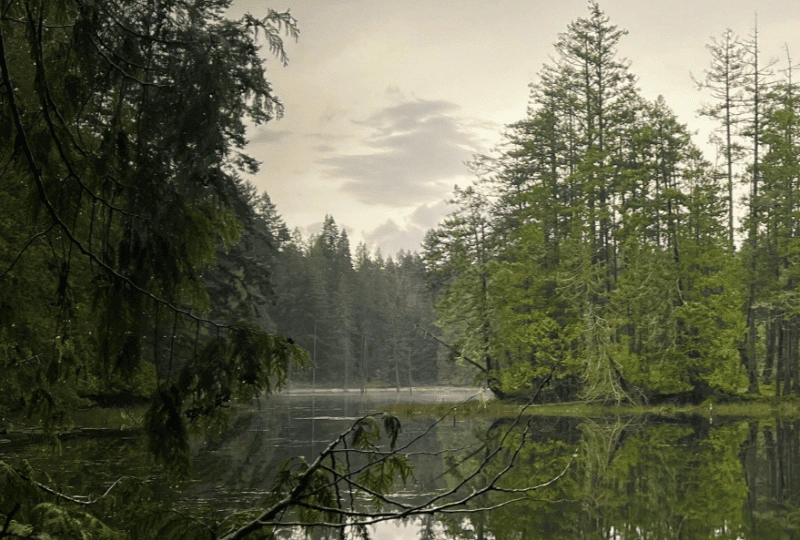
The Saysutshun (Newcastle Island Marine) Provincial Park is a 10-minute boat ride from Nanaimo, but a world away in its ecology and historic artefacts.
Recent news from Vancouver Island’s First Nations:
The Tsawout First Nation has made progress in reclaiming rights to manage traditional territorial waters, which they rely upon for food.
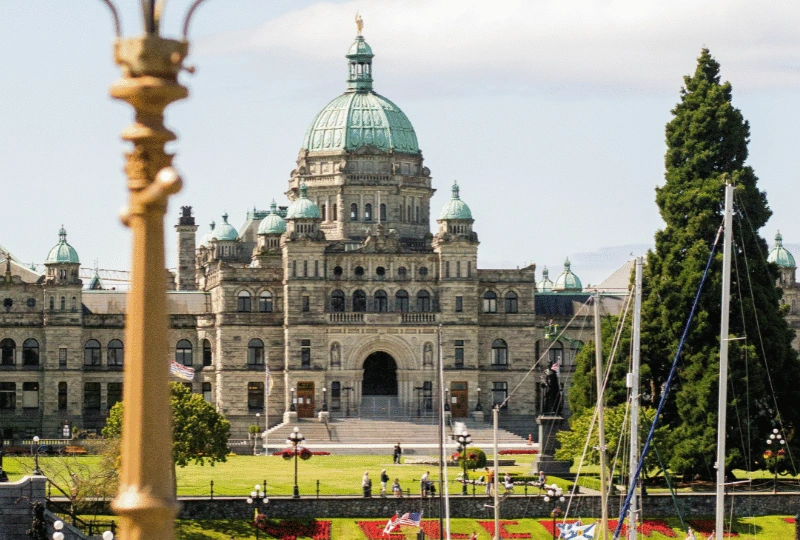
Victoria’s architectural crown jewel is the parliament building, home to British Columbia’s legislature.
Victoria, the provincial capital
At the southernmost end of Vancouver Island is the island’s largest urban area and the capital of British Colombia: Victoria. It wasn’t too long ago (in historic terms) that the city served as the capital of the British crown colony of Vancouver Island. Fort Victoria, as it was known then, was named in honour of then-ruling Queen Victoria, and the crown’s short-lived but strong influence remains evident today.
Modern Victoria has a distinctly British vibe that’s unrecognizable to the rest of Vancouver Island. Think: colonial architecture, landscaped gardens, and English pubs. If you have a flair for the “Old World” aesthetic, you’ll appreciate the well-preserved heritage buildings, such as the Romanesque style parliament building and the many famous residences-turned-museums, like Craigdarroch Castle and the Emily Carr House. A bit further into Greater Victoria is the most notable residence and tourist magnet; Hatley Castle, an early 20th-century Gothic Revival mansion, was built by coal and railway tycoon James Dunsmuir.
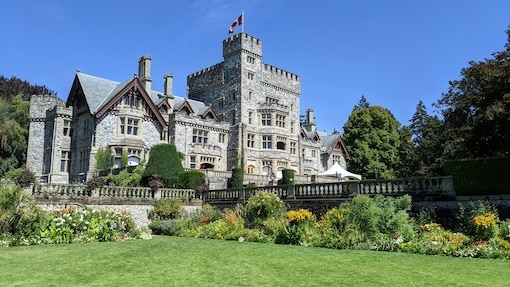
The striking Hatley Castle in Victoria’s suburbs is routinely used as a filming location.
Even further into the suburbs but well worth a visit are the 120-year-old Butchart Gardens, a National Historic Site of Canada. Within the complex are a rose garden, Japanese garden, Italian garden, and Mediterranean garden, but the must-see is the Sunken Garden. Its meticulous planning and immaculate care create a whimsical landscape of blooming colours and sculpted shapes akin to the setting of Alice in Wonderland.
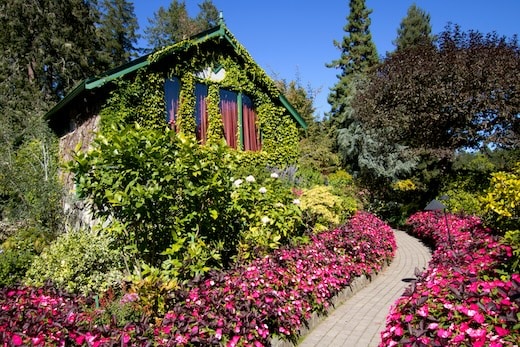
British Columbia’s famed Butchart Garden has been a tourist favourite for nearly 100 years.
But the heart of Victoria proper is downtown’s Inner Harbour. In addition to a beautiful waterfront, the city holds dear the island’s most impressive museum. The Royal British Columbia Museum is a historic treasure trove of human and natural history, with exhibits as diverse as the original Thunderbird Park totem poles and fossils from the Ice Age.
The perfect break during a long day of sightseeing is high tea at the extravagant Empress Hotel, also a National Historic Site. It comes with a high price tag, probably because they have more than 100 years of experience holding this afternoon ritual.
Getting there
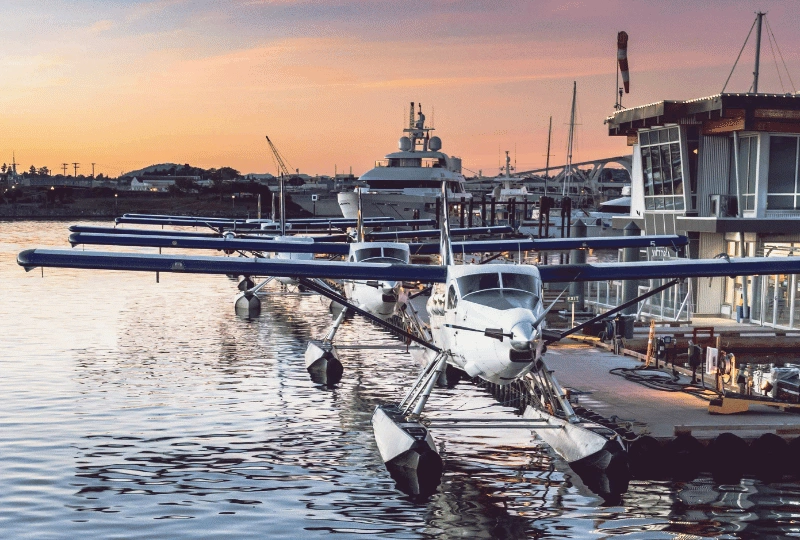
Victoria’s port is a busy hub for tourism and commerce.
By air
By sea
There are more ferry options from Vancouver’s Tsawwassen port, with departures every hour to Victoria (Swartz Bay) and to Nanaimo (Duke Point) several times daily.