
Stalls of fragrant bay leaves and cinnamon, cacao and coffee beans, and fruits and nuts crowd the farmer’s market in Roseau, Dominica’s capital city. Elsewhere throughout the island nation, roadside fruit vendors and street food stalls recreate the iconic market in miniature, attracting visitors and locals alike with a rainbow of fresh fruit, smoothies, and drinks to temper the rainforest heat.
The island of Dominica — not to be confused with the Dominican Republic, though it’s also in the Caribbean — is an underrated hotspot for adventurous food lovers. Dominica’s culinary fusion of diverse cultures and rich volcanic soil creates an array of complex, tropical flavours. The cuisine’s creative take on locally grown goods appeals to many palettes. The island’s cornucopia of foods creates limitless combinations, ranging from hearty goat meat to a leafy green coconut soup.
The island’s rich volcanic soil allows pretty much anything to grow, from papaya to passion fruit and garlic.
Dominica’s unique cuisine reflects centuries of diverse influences best summed up as creole — a complex and layered blend of influences reflecting the island’s history. Unlike other Caribbean islands, Dominica’s culinary culture is influenced by the Kalinago, the only remaining Indigenous population in the Caribbean. And while it was not colonized for as long as other Caribbean islands, Dominica was a colony of both the French and British, who brought enslaved Africans to work primarily on coffee — but also sugar, cacao, and lime — plantations. As a result of that fusion of cultures, Dominica’s most famous dishes and modern cuisine pull flavours from across the world, from Africa to France.
Forage for the fruits of Dominica’s volcanic soil
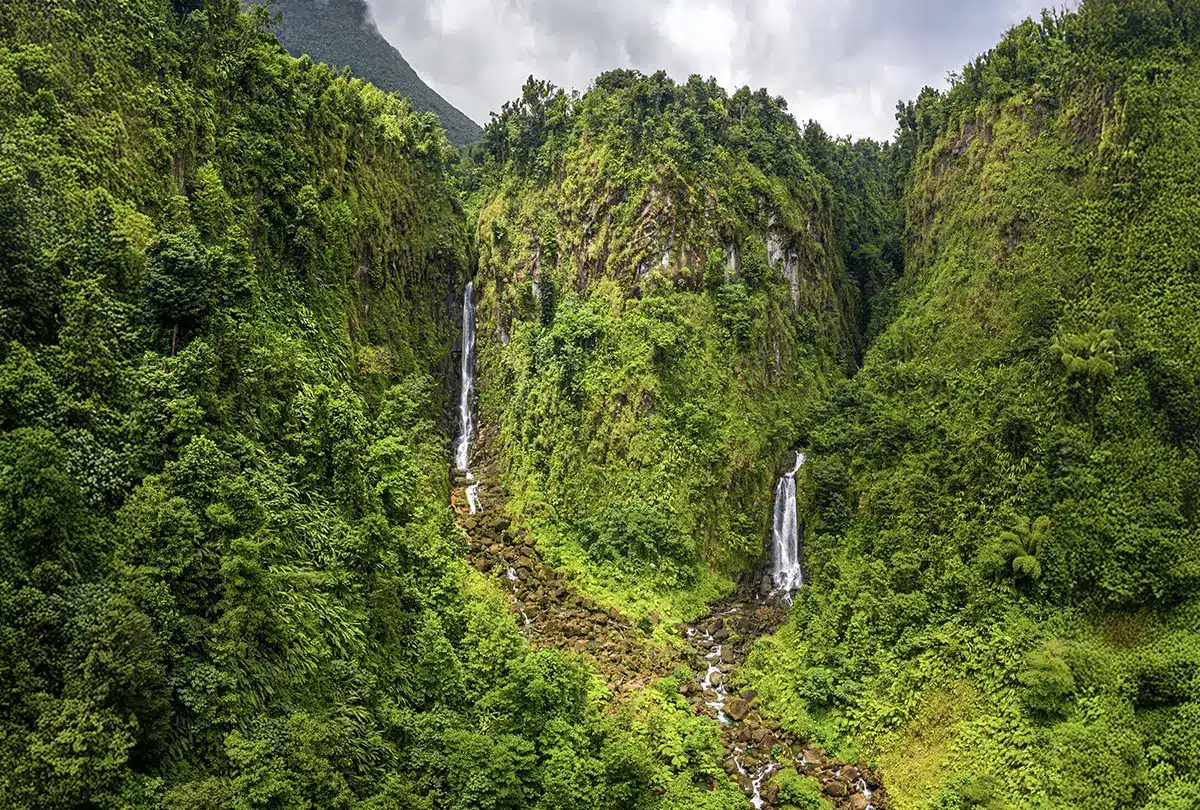
There’s another reason to thank volcanoes for Dominica’s high-quality ingredients. Because of its volcanoes, most of the island is rugged and mountainous. This terrain makes industrial agriculture nearly impossible. A general lack of large-scale farming has preserved the integrity of the soil and, thus, the delicious ingredients we get to enjoy.
Sip Dominica’s famous drink, homemade “Bush Rum”
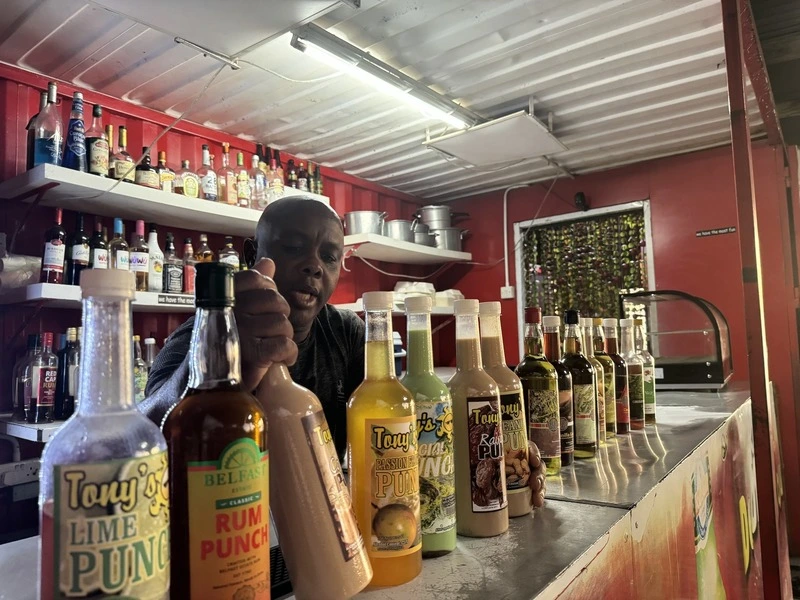
Dominica’s famous drink, “bush rum” or rum punch, is homemade with fermented sugarcane juice. Bush rum is everywhere on the island, and most people have their own special cache. The rum can be enjoyed plain, but a lot of the fun is sampling the hundreds of flavours, from passion fruit or gooseberry to coffee and chocolate, which we include as part of karibu adventures’ tour in Dominica!
Dig up “provisions” from the garden

In addition to the papaya, guavas and mangos that are often foraged from the “bush”, Dominicans rely on “provisions” to create delicious home-cooked meals. Provisions refer to what’s on hand, usually from the garden, and generally consist of bananas/plantains and a variety of root vegetables. The most common tuber is dasheen root (taro), which is featured in Dominica’s national dish, but other popular choices include yams and cassava. Many provisions are fried and served as snacks or appetizers, like fried cassava rounds with a bit of aniseed, bananas fried in coconut oil and banan pez.
Stew on a traditional Dominican one-pot meal
Sample a fresh catch of Caribbean seafood
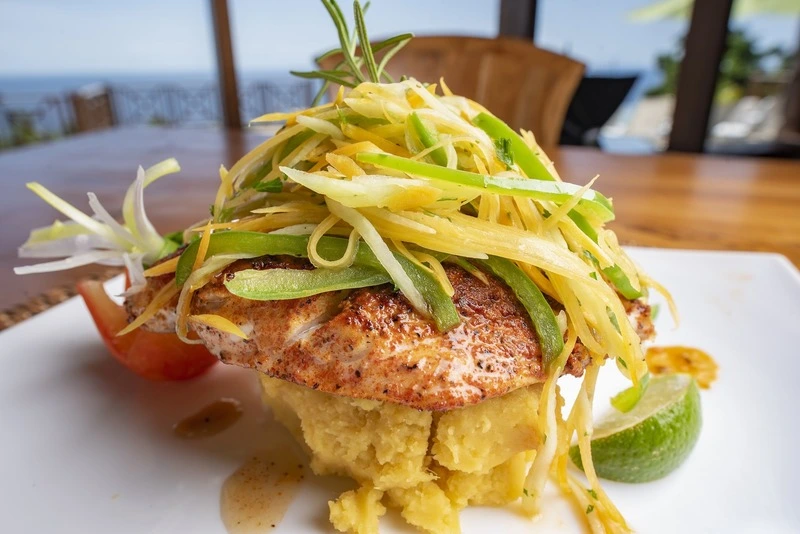
In Dominica, meals are best savoured fresh, whether a tuber plucked from the fertile mountainside or a minutes-old catch of titiwi fish. This fish is a traditional food of the Indigenous Kalinago, who have incorporated it into their diet for eons. Titiwi is still caught the same way it always has been; small-scale fishers wade waist- or even neck-deep into the mouths of rivers with their nets to catch the fish as they wash in from the sea to make their migratory journey up Dominica’s 365 freshwater rivers.
Titiwi fish and other local seafood are among the primary food sources for people in Dominica. The island’s seafood includes rich, white-meat fish like mahi mahi and crustaceans like crayfish. Fish braff, or fish broth, is a popular way of preparing fish in Caribbean nations. In Dominica, the fish, often red snapper, is fried in a spiced broth, or coubouillon, and served with provisions.
Feast on “titiwi accra” fish fritters
On our tour, we spend time with Kalinago community members, who generously share a meal of traditional titiwi fish with us and impart their expertise about life on the island.
The living culture of modern Dominican food
Lacou brings international twists to local recipes and local tastes to international recipes. The elevated restaurant is located in the historic Melrose House in Dominica’s capital, Roseau. Lacou is run by a group of transplanted Montrealers, including Sutherland Haskell, formerly of Vin Mon Lupin, one of the best restaurants in Montreal.
We at karibu adventures love food, especially in Dominica. Dominican cuisine spans street food to more elevated, and we experience some of the very best of both on our small group tour of the island.